GenMech Lab · A scientific vision by Bo Ni
Generative
Mechanics
designing Matter, guiding Making,
and inspiring Mind.
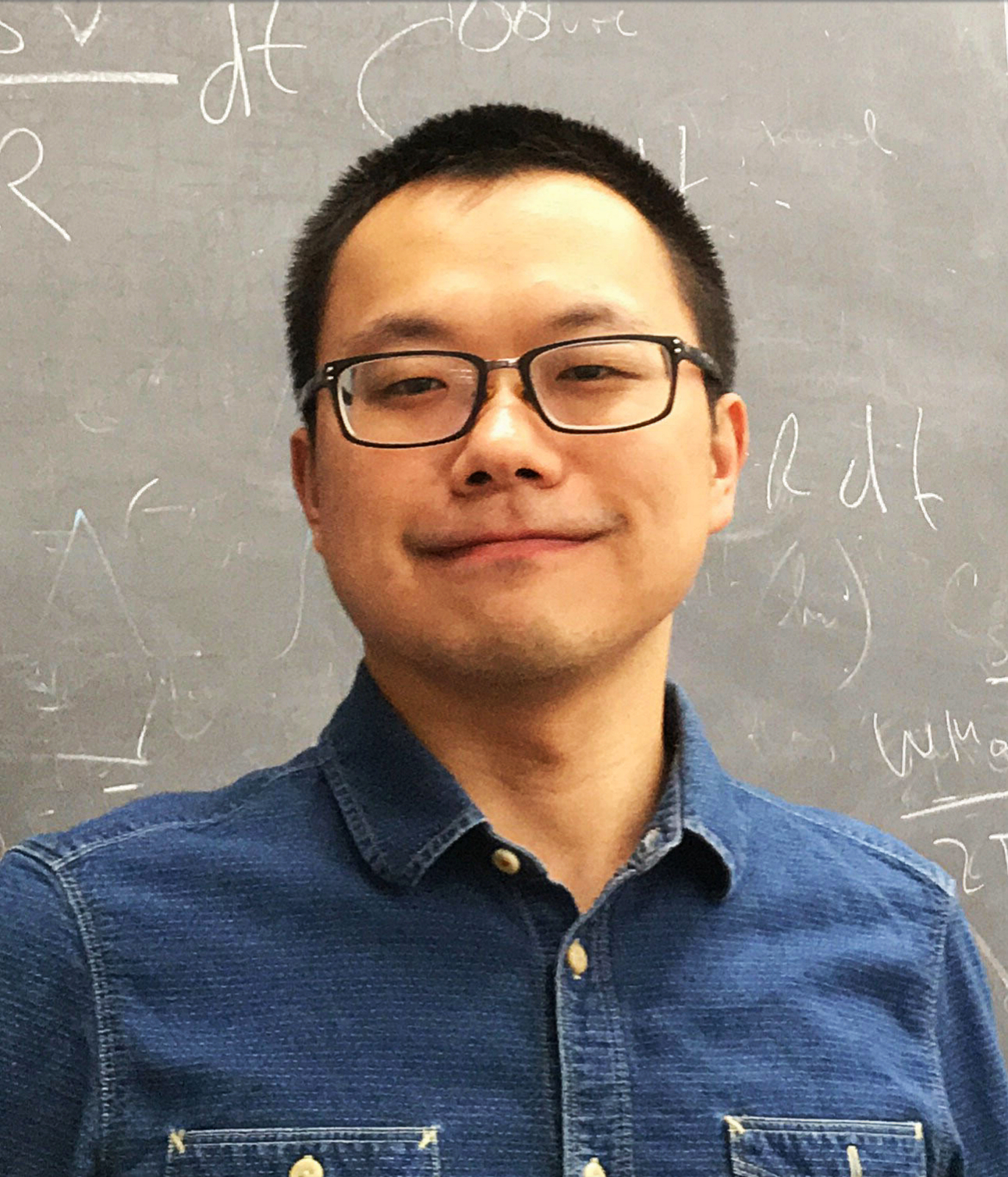
My research vision & agenda
Bo Ni
Postdoctoral researcher
Carnegie Mellon University
GenMech Lab expresses my personal research vision and agenda. I am developing Generative Mechanics by bringing solid mechanics and materials physics into close integration with advanced AI to understand complex materials, design with manufacturing, and develop new scientific principles.
New sciences, in the making
New engines call for new principles.
Steam engines transformed engineering before thermodynamics established their general principles and limits. I see AI opening a similar moment: new powers to capture complexity, generate possibilities, and reason at scale invite new science.
I call my research agenda Generative Mechanics. Mechanics connects structure, forces, and processes to behavior; AI expands what we can investigate and create. My ambition is to turn their integration into principles we can understand, test, and use—advancing the science of Matter, the possibilities of Making, and our understanding of Mind.
The scientific vision
Understand
complex materials.
I seek physical principles for complex materials, from proteins to alloys and disordered solids. By combining generative AI with mechanics, I aim to explain how structure and dynamics govern mechanical behavior across scales, turning predictive capability into scientific understanding.
02 / MakingDesign with
manufacturing.
Learning from nature, I treat composition, structure, processing, and performance as a coupled problem. I bring agentic AI and physics together to design complex materials for advanced manufacturing, including 3D printing, with manufacturability built in.
03 / MindQuantify intelligence
across systems.
I seek a quantitative, mechanistic understanding of intelligence across systems, including humans and reasoning AI. Grounded in questions from Matter and Making, I study how diversity, collaboration, and evolution shape intelligence and how more capable intelligence can advance materials science and engineering.
Mechanics, materials, and scientific intelligence
Selected research
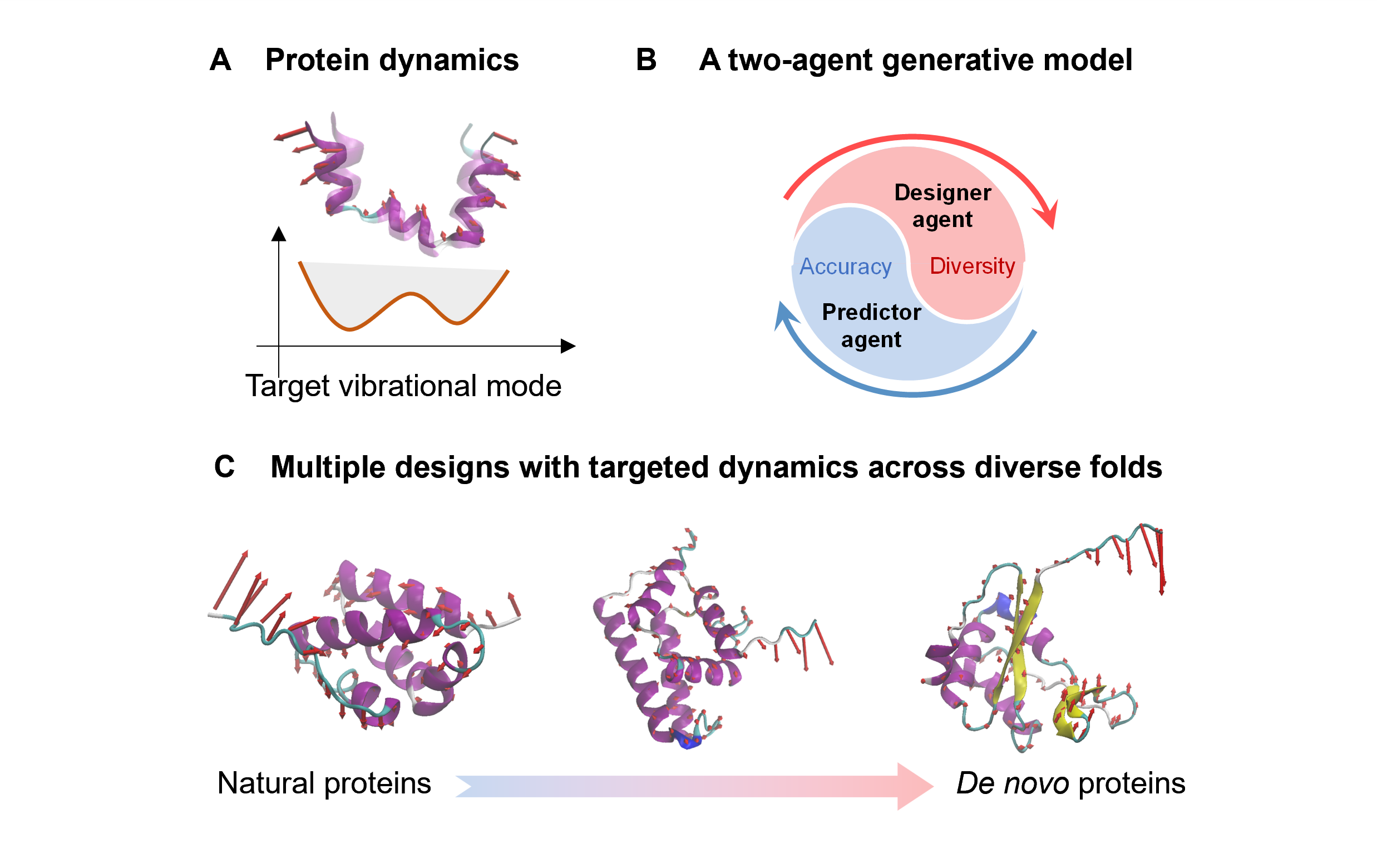
Designing proteins through their motions.
An agentic approach to de novo protein design guided by target vibrational motions.
Matter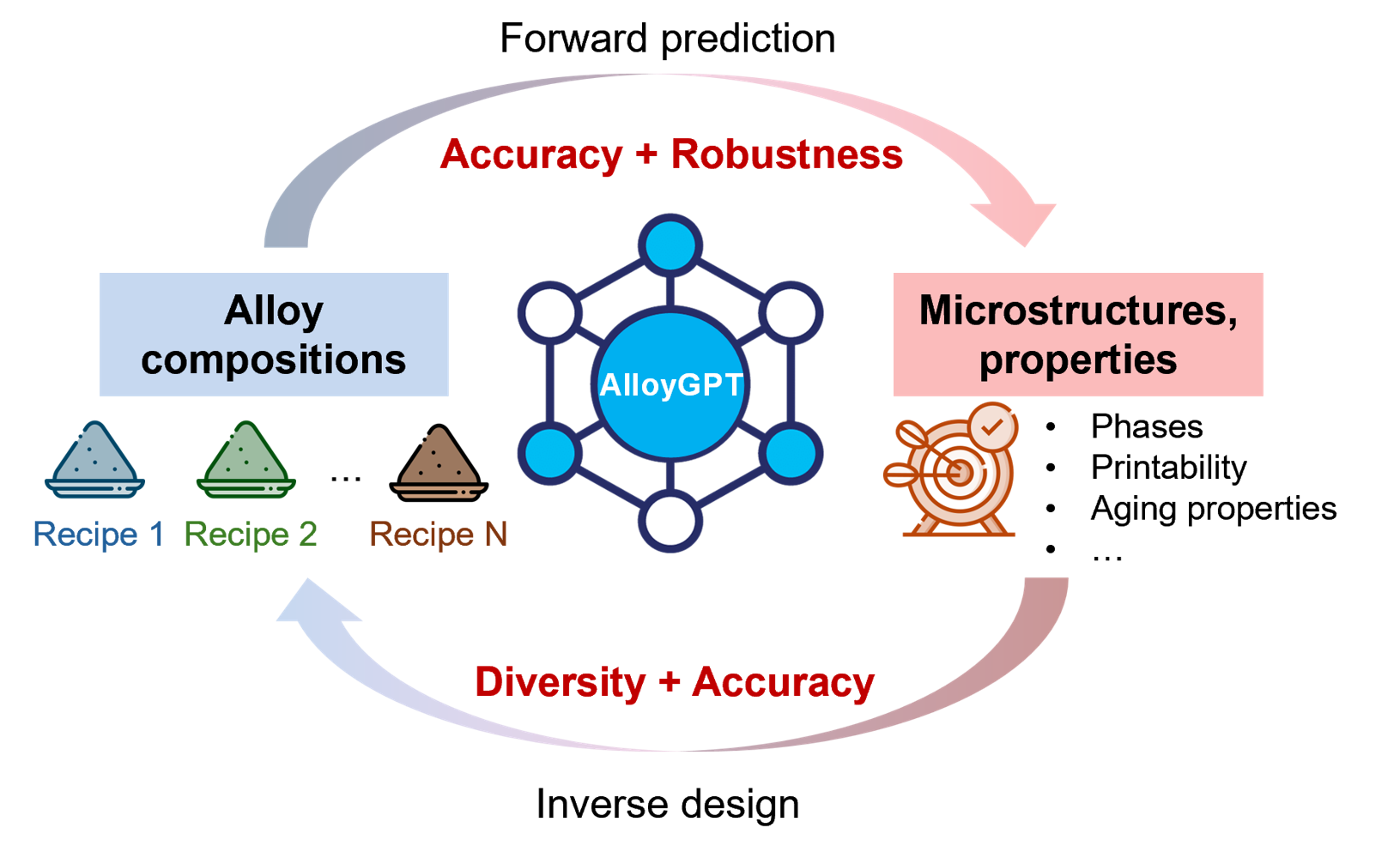
Designing alloys with manufacturing in mind.
A generative model connects alloy composition, microstructure, and properties for additive manufacturing.
npj Computational Materials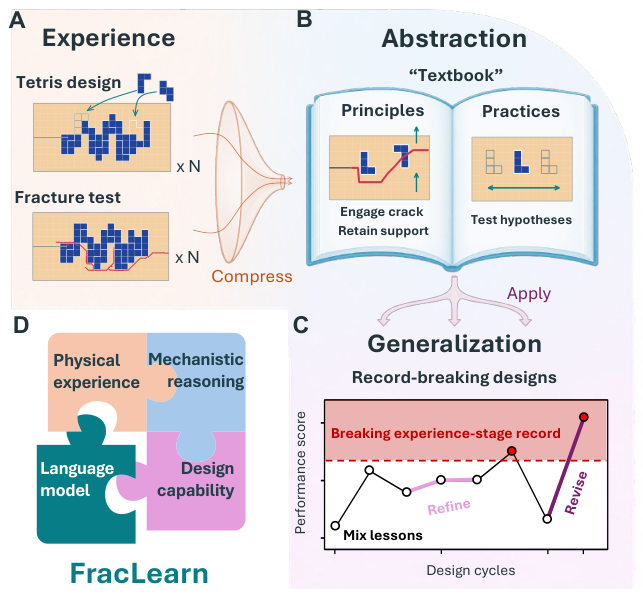
Learning to design through physical experience.
Language models turn simulated fracture experiments into reusable physical principles, then combine and revise those lessons to improve new designs.
arXiv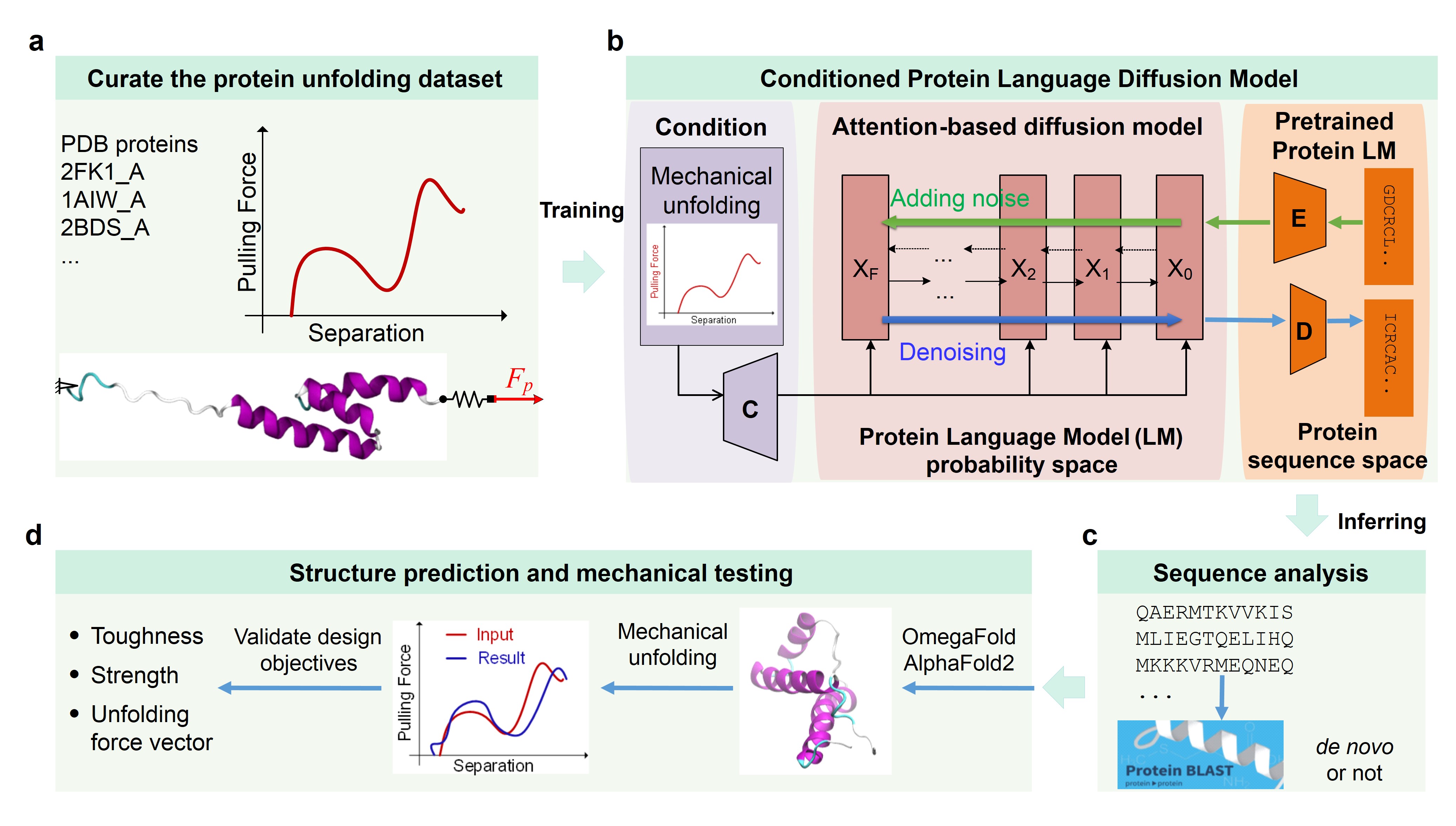
Designing proteins for how they unfold.
From a target mechanical response to a candidate protein sequence: connecting molecular design with nonlinear unfolding.
Science Advances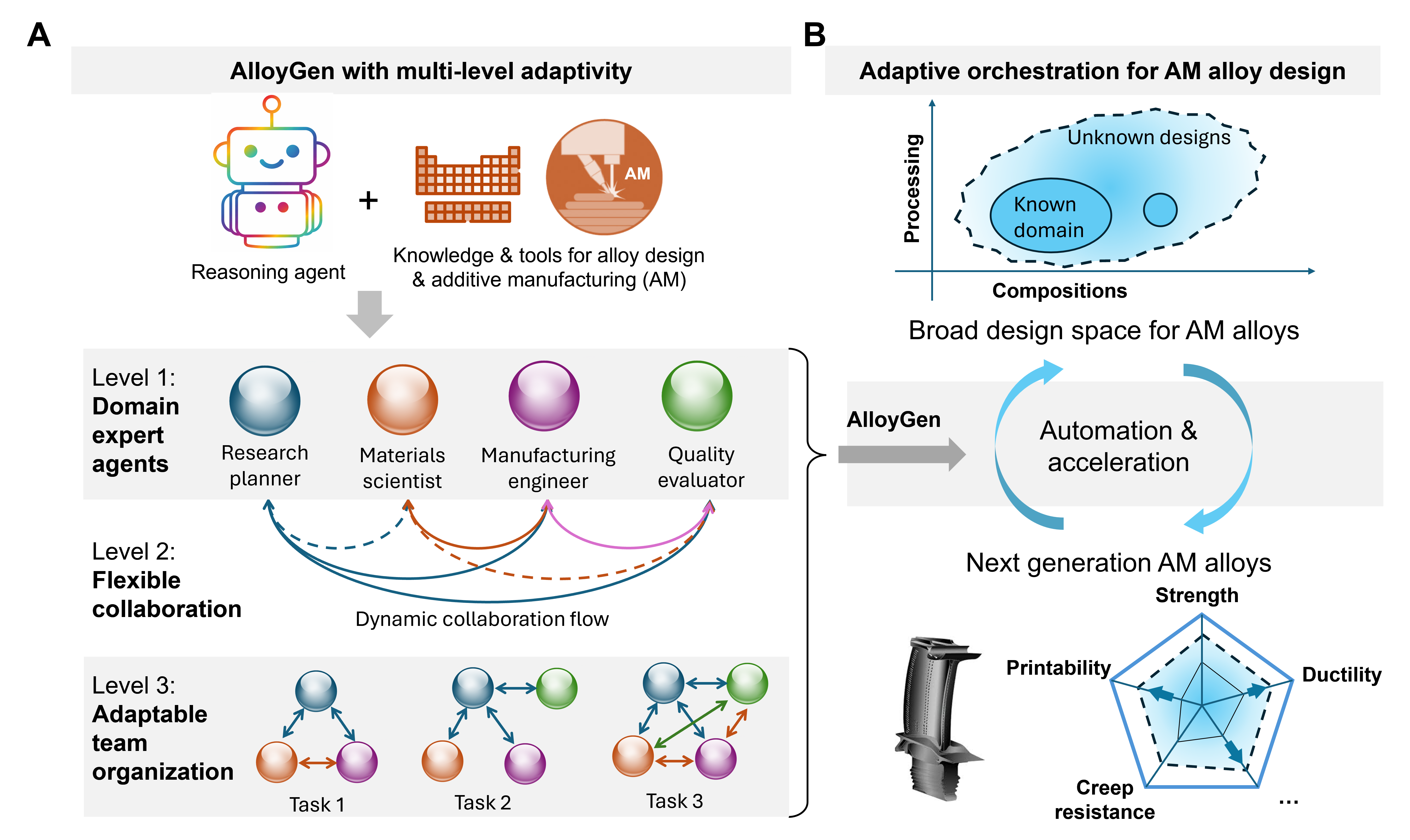
Adaptive agent teams for alloy design.
Physics-grounded agents acquire tool expertise, coordinate evolving workflows, and assemble task-specific teams for alloy research in additive manufacturing.
Research Square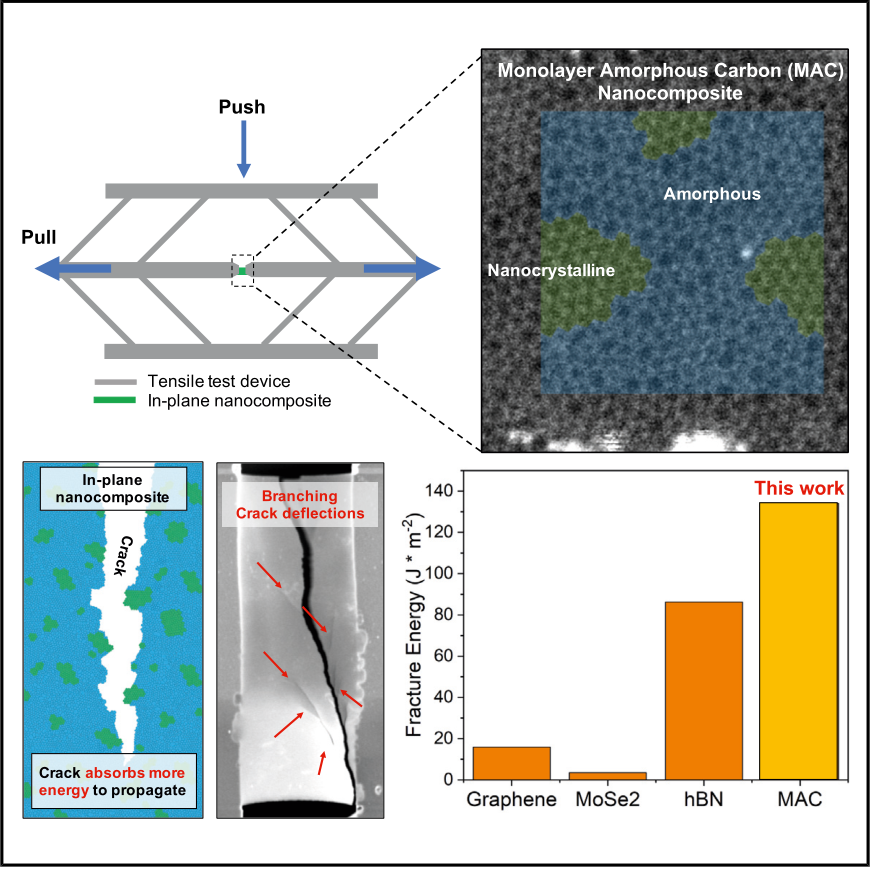
Toughness from disorder, one atom thick.
Crack blunting, deflection, and bridging connect an amorphous–crystalline architecture to greater fracture resistance.
Matter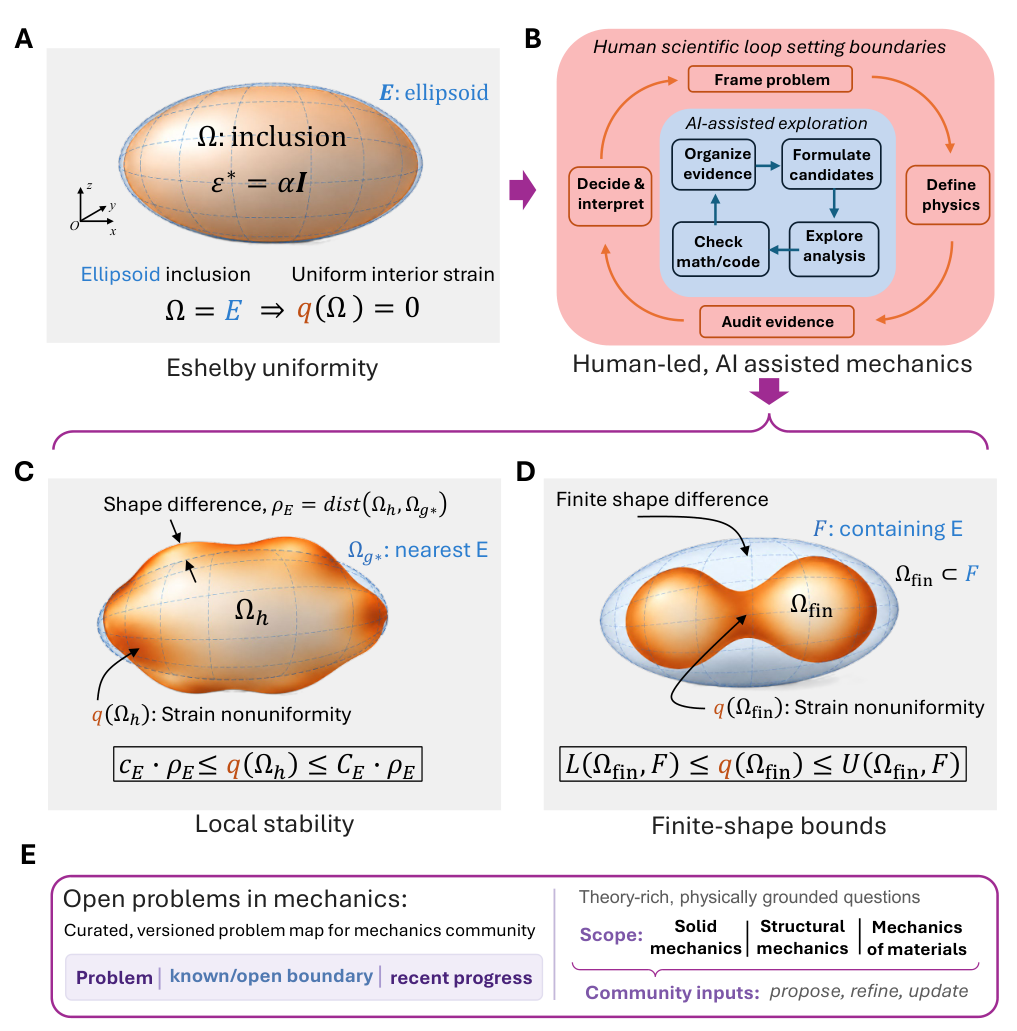
Advancing Eshelby theory through AI-assisted research.
A quantitative theory of strain uniformity, developed through human-led, AI-assisted research, motivates a shared map of open mechanics problems.
arXivResearch across mechanics, materials, and AI.
Full publication recordWriting & notes
Beyond the papers.
For the mechanics community
Open Problems in Mechanics
A living map of theory-rich, physically grounded questions in mechanics, initiated through my work on quantitative Eshelby stability. Each entry connects the physical problem to established results, the boundary between what is known and what remains open, and recent progress.
Researchers are invited to suggest questions, refine existing entries, and share new developments.
Explore the problems