Research / Selected work
From physical insight
to new possibilities.
Studies of how materials behave, how to design their responses, and how scientific workflows can adapt.
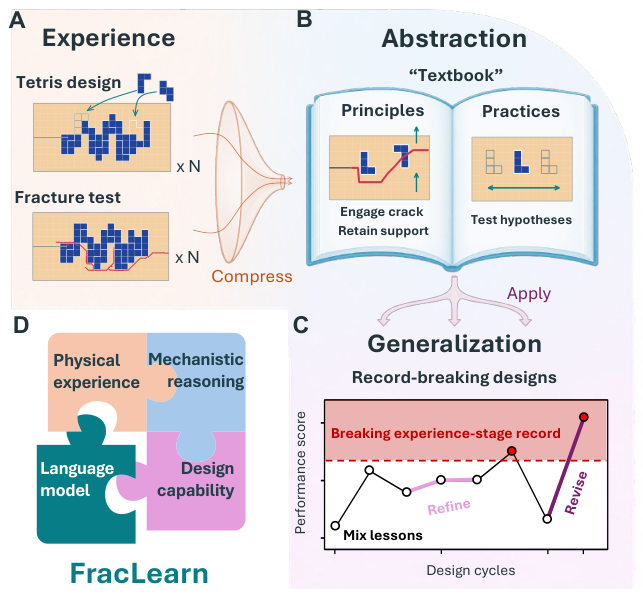
Learning to design through physical experience.
Language models turn simulated fracture experiments into reusable physical principles, then combine and revise those lessons to improve new designs.
arXiv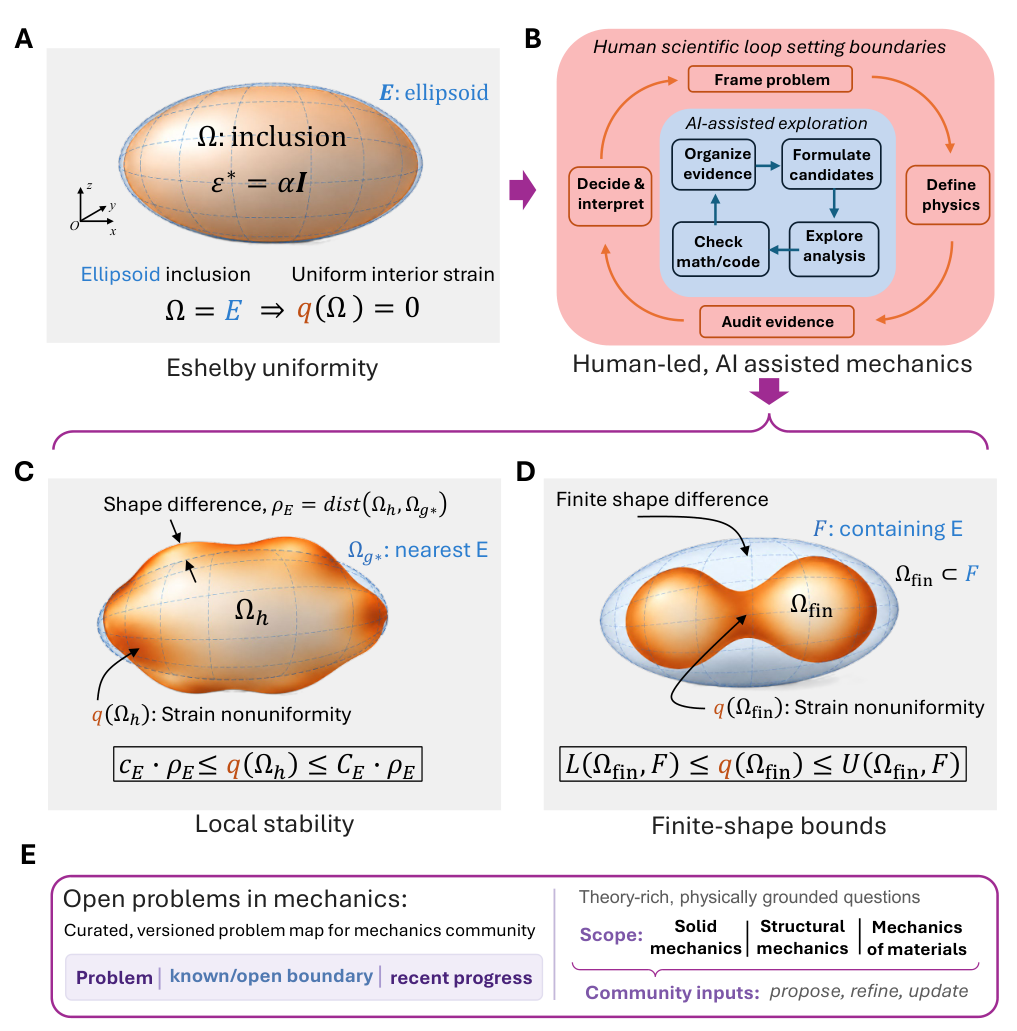
Advancing Eshelby theory through AI-assisted research.
A quantitative theory of strain uniformity, developed through human-led, AI-assisted research, motivates a shared map of open mechanics problems.
arXiv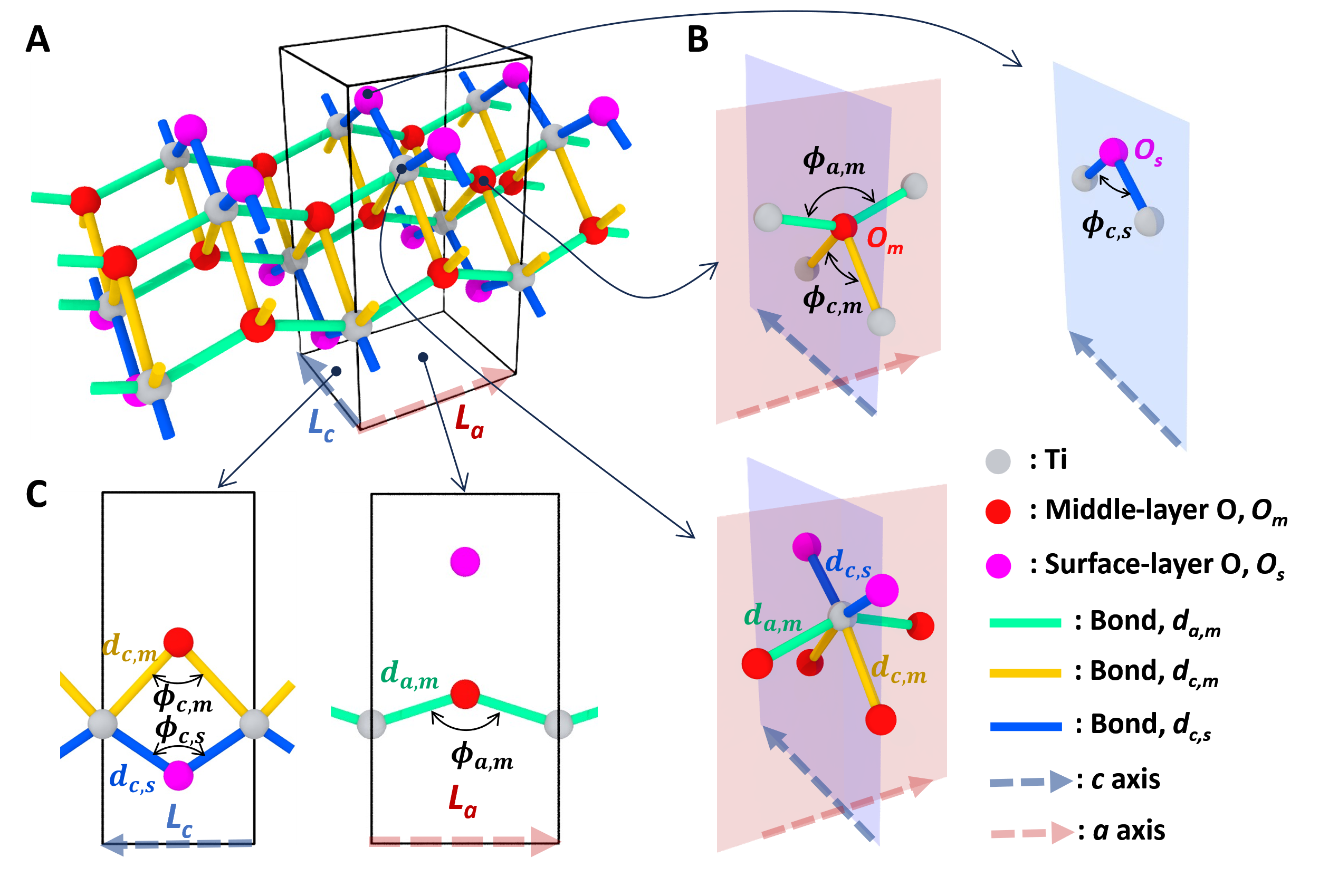
Why a nanosheet is stiffer in one direction.
Experiments, orthotropic mechanics, and DFT connect directional stiffness and fracture to Ti–O network topology and titanium vacancies.
Manuscript under review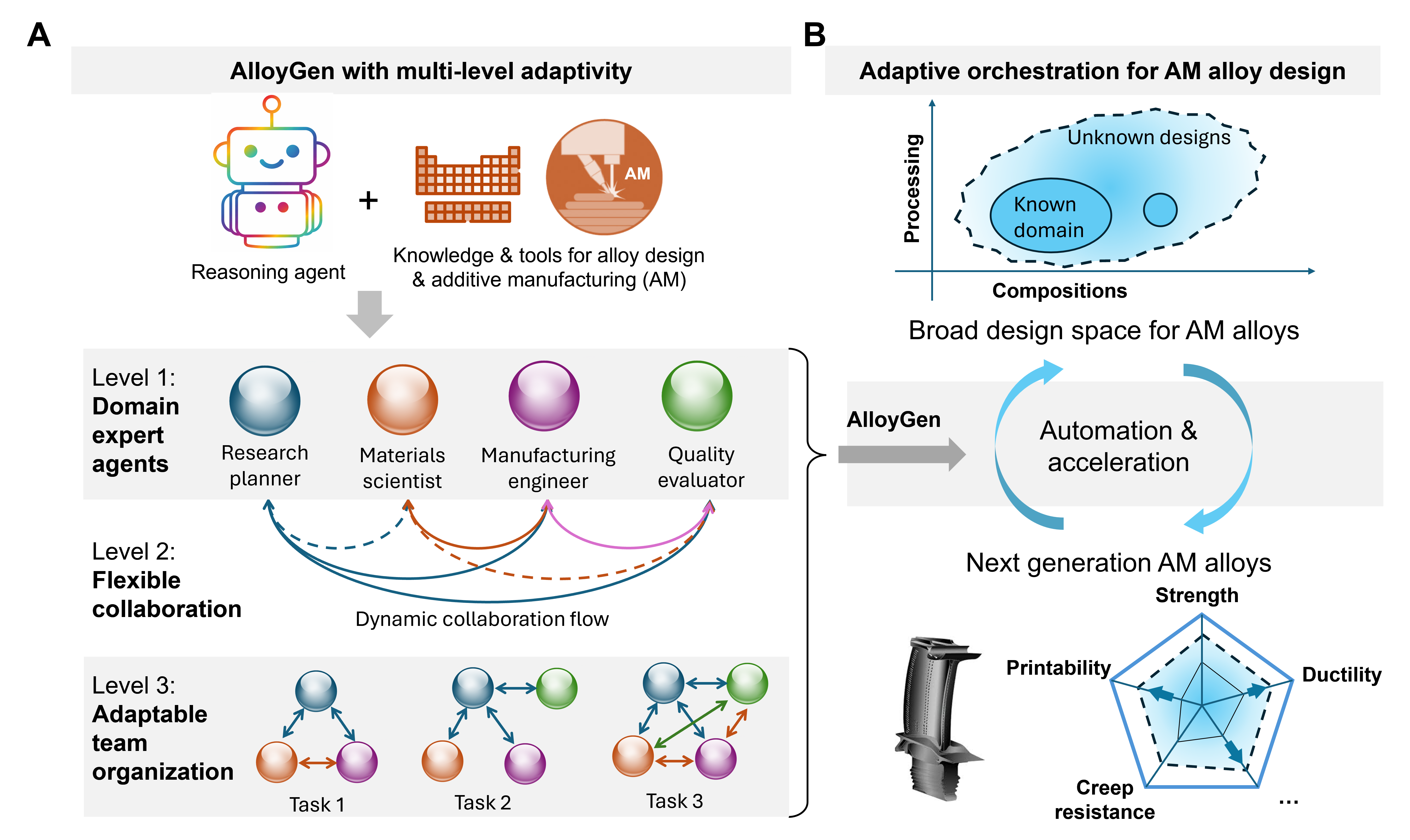
Adaptive agent teams for alloy design.
Physics-grounded agents acquire tool expertise, coordinate evolving workflows, and assemble task-specific teams for alloy research in additive manufacturing.
Research Square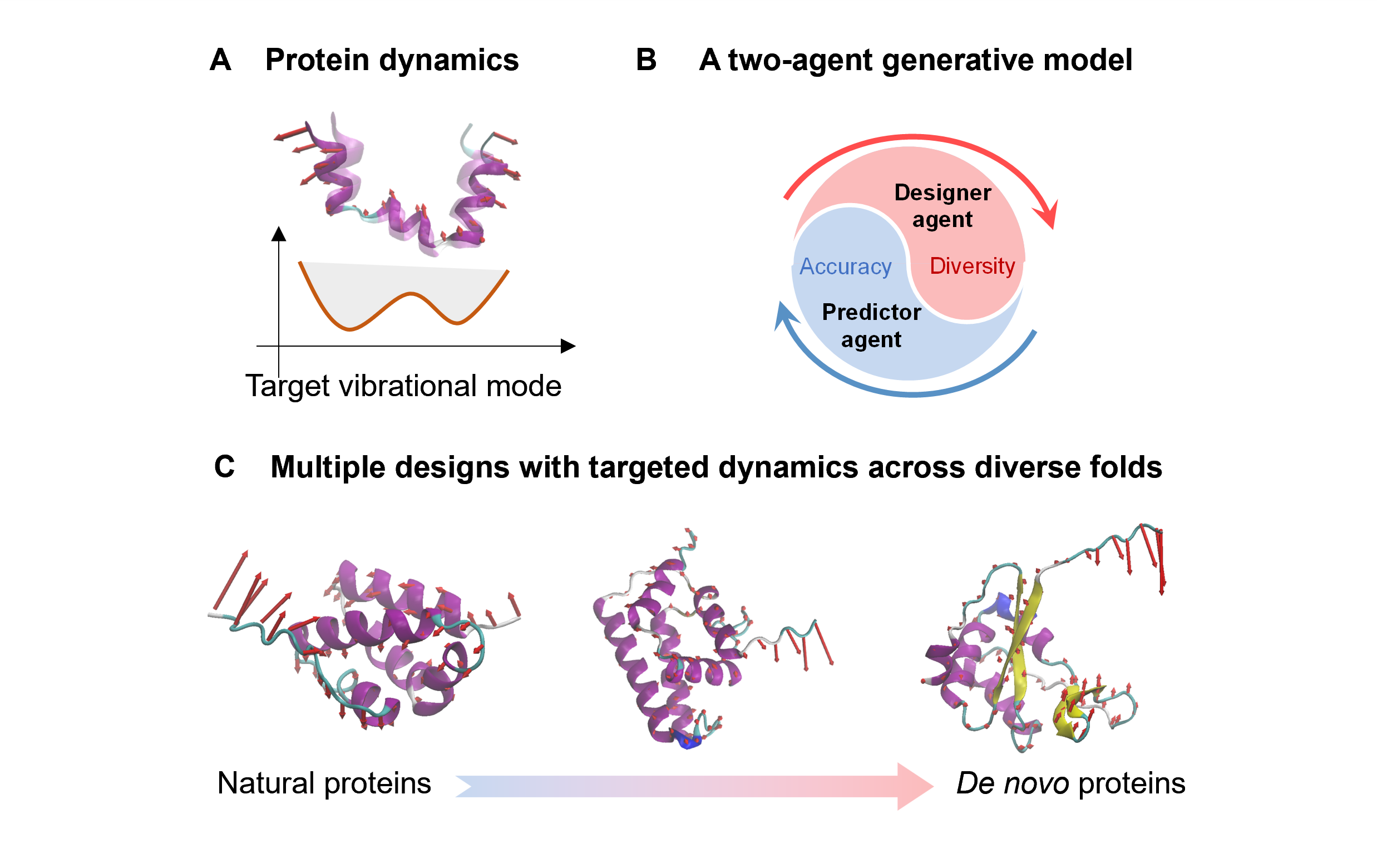
Designing proteins through their motions.
An agentic approach to de novo protein design guided by target vibrational motions.
Matter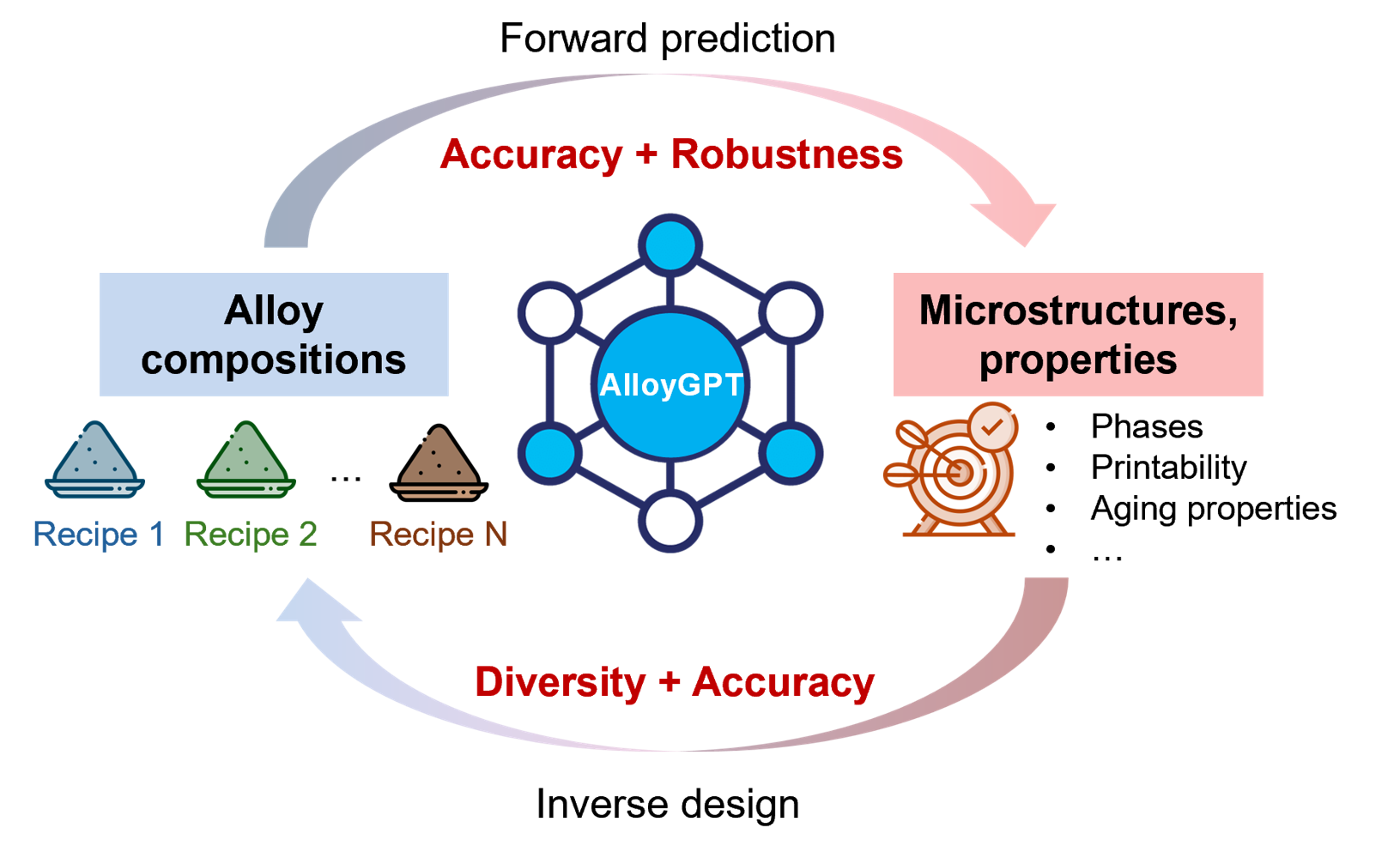
Designing alloys with manufacturing in mind.
A generative model connects alloy composition, microstructure, and properties for additive manufacturing.
npj Computational Materials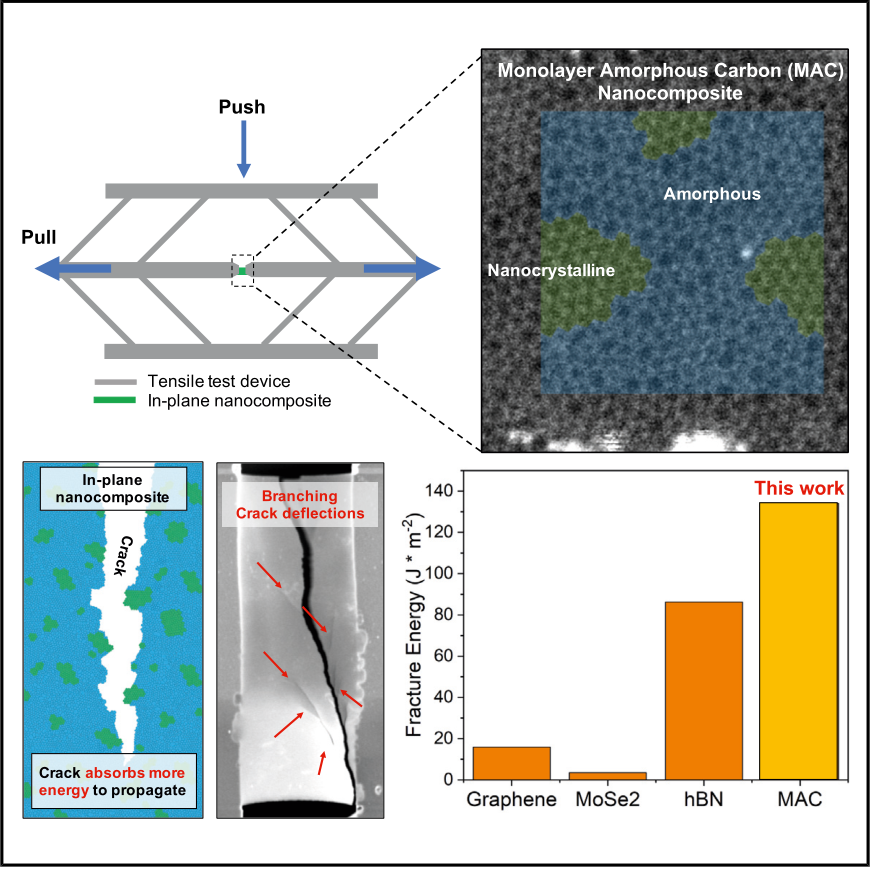
Toughness from disorder, one atom thick.
Crack blunting, deflection, and bridging connect an amorphous–crystalline architecture to greater fracture resistance.
Matter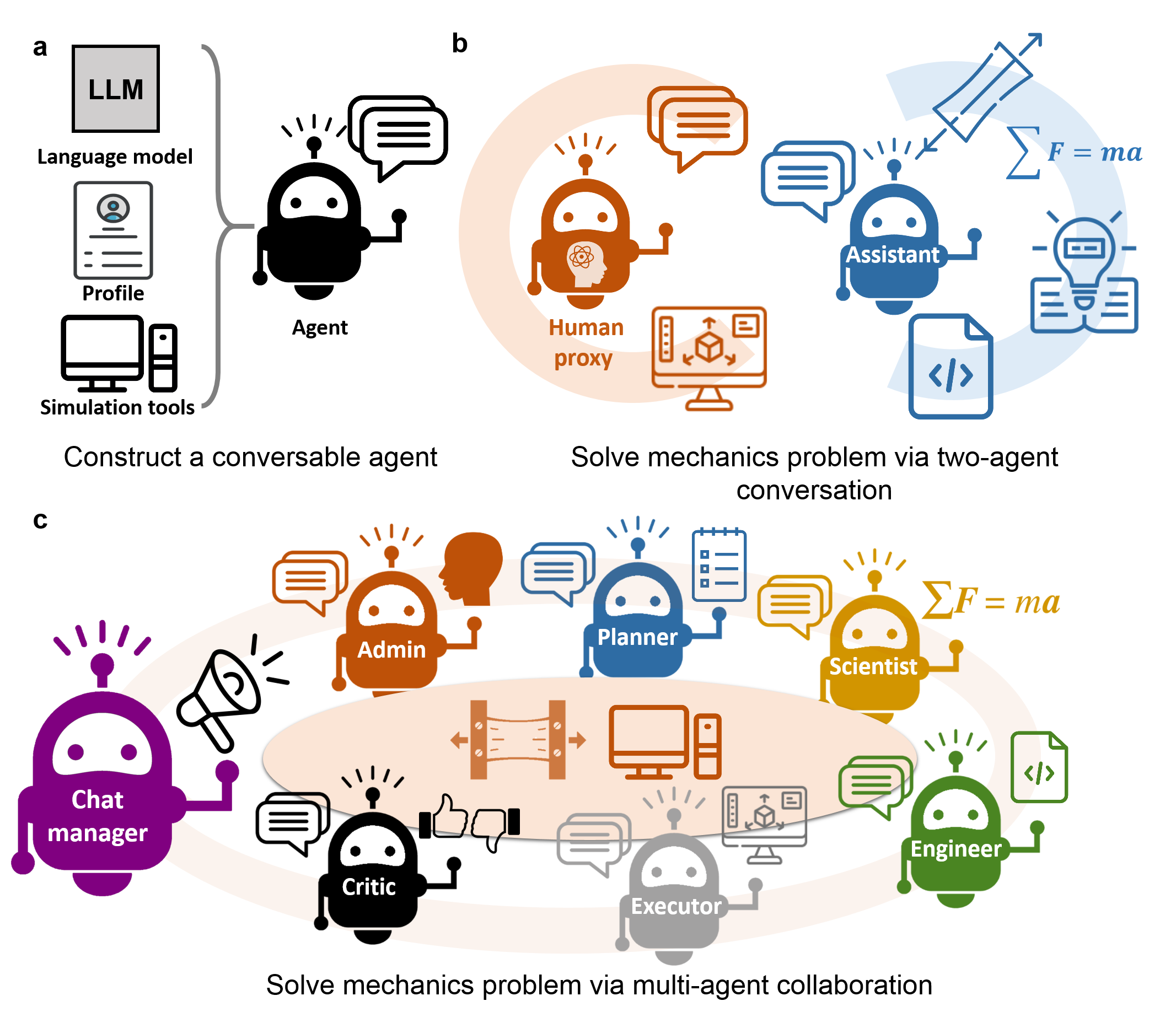
From a mechanics question to a working calculation.
Language-model agents collaborate with simulation tools to solve mechanics problems and generate data.
Extreme Mechanics Letters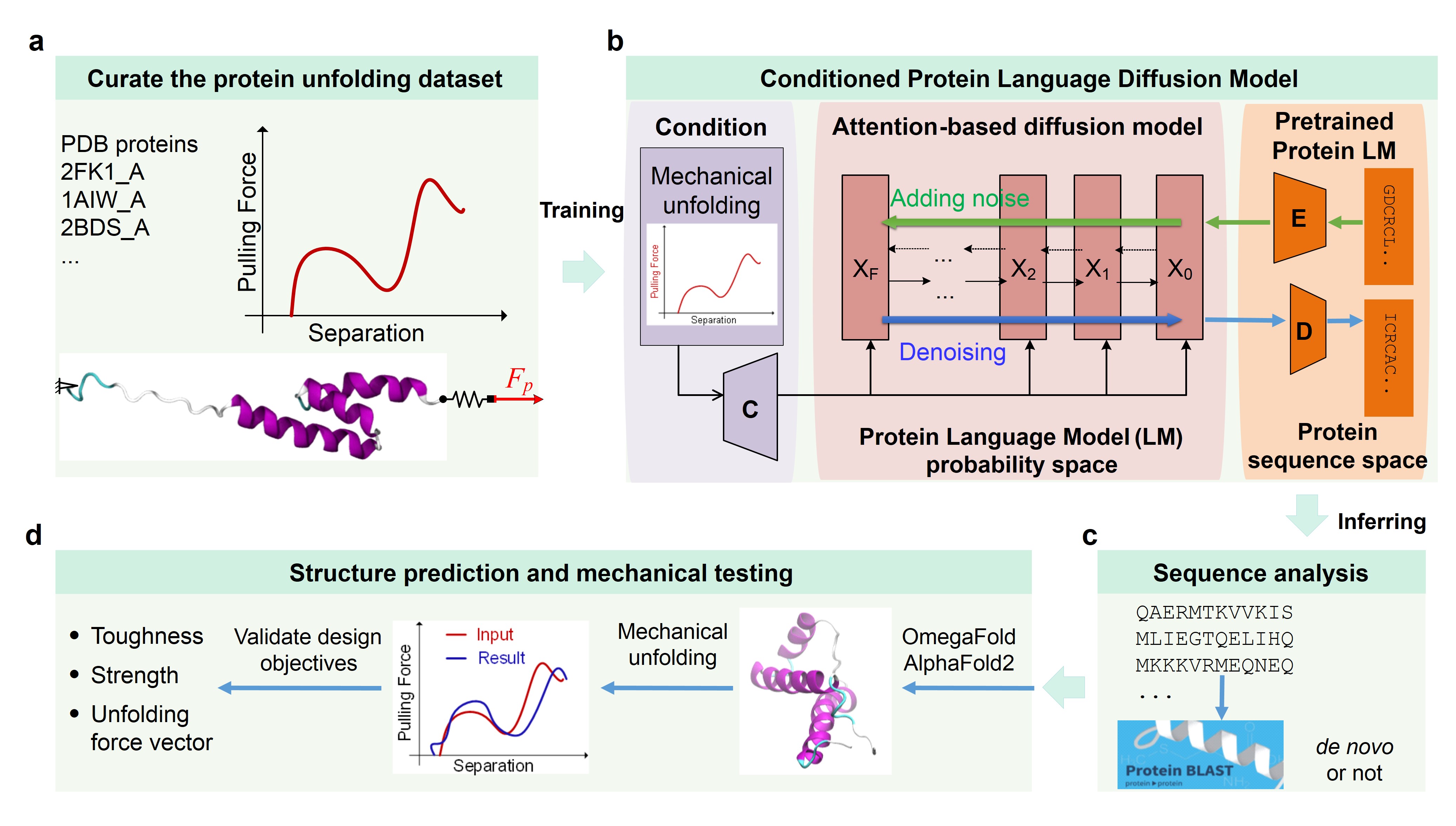
Designing proteins for how they unfold.
From a target mechanical response to a candidate protein sequence: connecting molecular design with nonlinear unfolding.
Science AdvancesMatter
Structure becomes behavior.
Fracture, defects, and molecular mechanics provide a physical foundation for asking what materials can do.
Making
Behavior becomes a design goal.
Protein sequences and alloy compositions offer different settings for designing toward a desired response.
Mind
Discovery becomes a question.
Scientific agents let us investigate how tools, reasoning, and collaboration can be organized around a physical problem.
Each study credits its collaborators. Public papers are linked; manuscripts under review are identified.
Publication record